
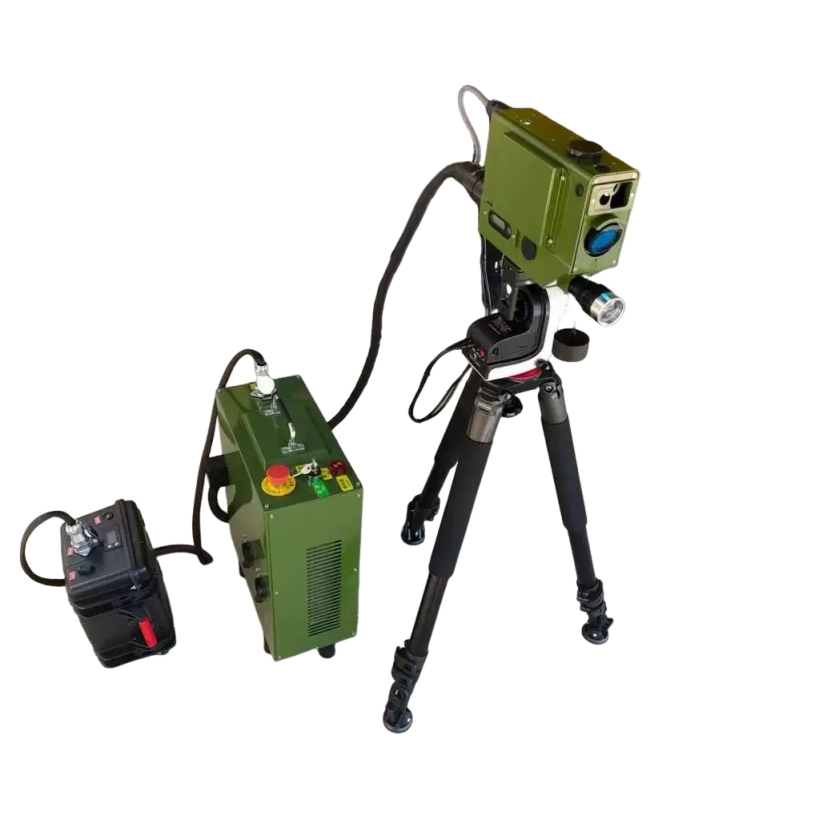
Laser cutting machine
Laser cutting machine uses a high-power, focused laser beam to cut materials with extreme precision. The laser heats the material until it melts, burns, or vaporizes, leaving a clean edge.
Think: CNC accuracy, but with light.
Main types (this matters a lot)
1. CO₂ Laser Cutting Machines
Best for:
-
Wood
-
Acrylic
-
MDF
-
Leather
-
Fabric
-
Rubber
Not good for: bare metals
Power range: ~40W–300W
Common use: sign making, crafts, packaging
2. Fiber Laser Cutting Machines
Best for:
-
Steel (carbon & stainless)
-
Aluminum
-
Brass
-
Copper
Power range: ~1kW–30kW+
Common use: industrial metal fabrication
3. Diode Laser Cutters
Best for:
-
Thin wood
-
Paper
-
Leather
-
Light plastics
Power range: ~5W–40W
Common use: hobby, desktop machines
Limited cutting depth
How Does laser cutting machine works (simple version)
-
Laser is generated (CO₂ tube or fiber source)
-
Beam is focused through a lens
-
Material absorbs energy
-
Heat concentrates → material separates
-
Assist gas (air, oxygen, nitrogen) clears the cut
Key advantages
-
Extremely precise (±0.05 mm typical)
-
Clean edges, minimal finishing
-
Repeatable & automated
-
No physical tool wear
Limitations
-
High upfront cost (especially fiber)
-
Material-specific (wrong laser = bad results)
-
Safety requirements are serious
-
Maintenance (optics, cooling, alignment)
Safety (non-negotiable)
Most laser cutters are Class 4 lasers:
-
Eye damage = instant & permanent
-
Fire risk is real
-
Needs enclosure, exhaust, goggles, interlocks
Never cut:
-
PVC / vinyl (toxic chlorine gas)
-
Unknown plastics
-
Reflective metals on CO₂ machines
Typical price ranges (very rough)
-
💻 Desktop diode: $300–$1,500
-
🪵 CO₂ hobby/shops: $2,000–$10,000
-
🏭 Industrial fiber: $15,000–$300,000+
Choosing the right one — quick guide
Ask yourself:
-
What material? (metal vs non-metal)
-
Thickness?
-
Production volume?
-
Workspace size?
-
Budget?


Reviews
There are no reviews yet.